Norman Sharpless, MD, is a physician, scientist, entrepreneur, and former federal official. He served as director of the National Cancer Institute from 2017 to 2022, and as acting commissioner of the US Food and Drug Administration in 2019. Prior to government, Dr. Sharpless was director of the Lineberger Comprehensive Cancer Center at UNC. He founded G1 Therapeutics, which developed the FDA-approved medicine Cosela (Trilaciclib), used to prevent chemotherapy toxicity. He is a member of the American Association for Cancer Research Academy, the Association of American Physicians, the American Society for Clinical Investigation, and the National Academy of Medicine. Dr. Sharpless began his service on the American Cancer Society Board of Directors in 2024.
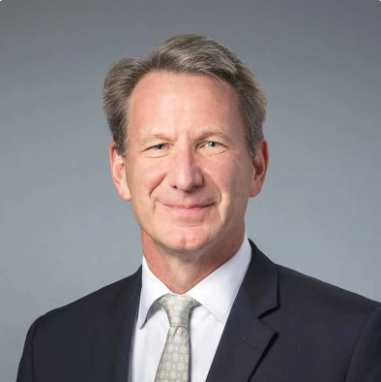
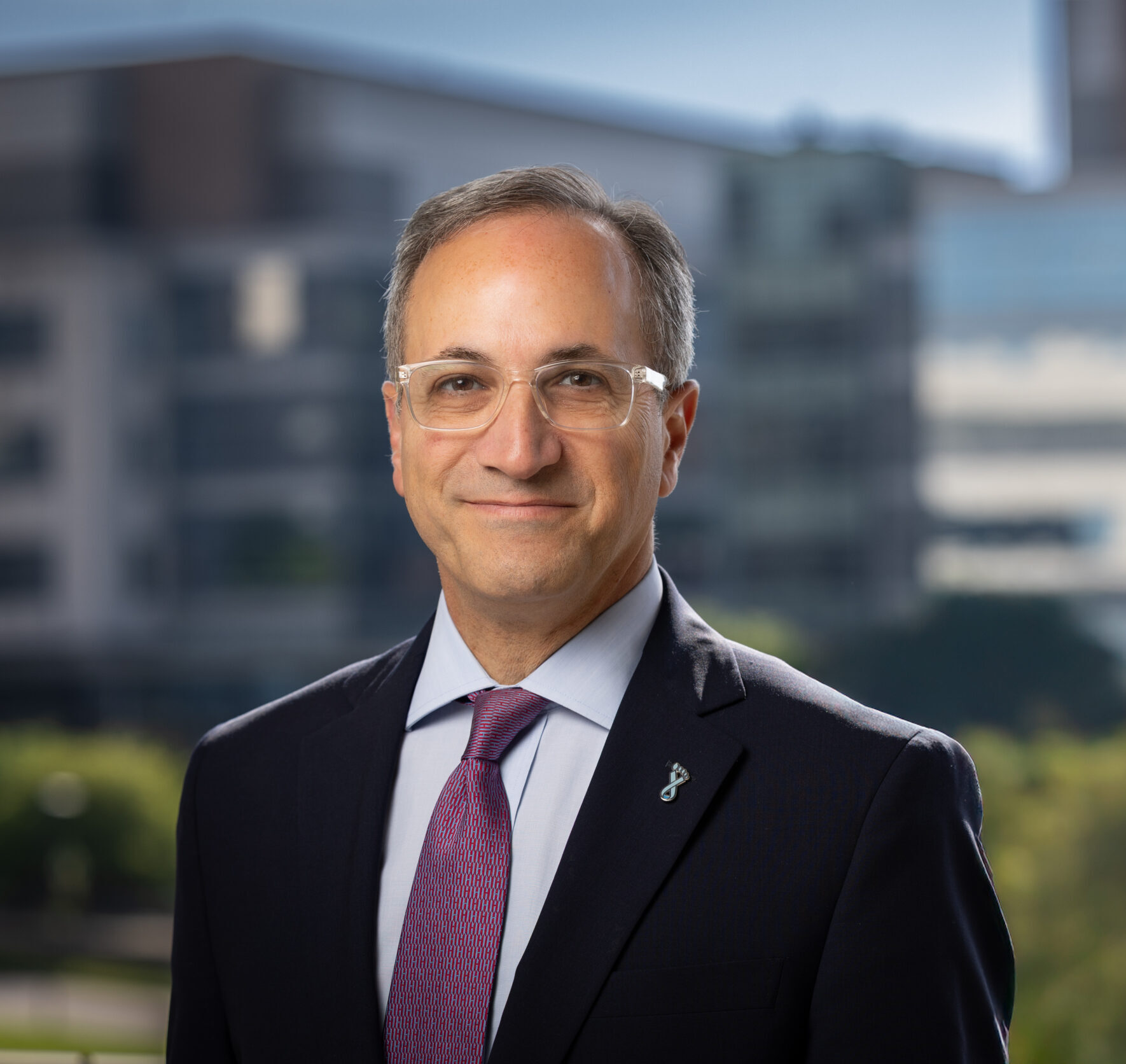
Dr. Robert L. Ferris, MD, PhD is the Executive Director of the UNC Lineberger Comprehensive Cancer Center, Chief of Oncology Clinical Services of the UNC Health System and Lineberger Distinguished Professor. He is a head and neck surgical oncologist and tumor immunologist who leads neoadjuvant “window” trials testing novel immuno-oncology agents, combinations, and biomarkers. His NIH-funded laboratory studies anti-tumor immunity and mechanisms of tumor escape, with a focus on reversing immune evasion through monoclonal antibodies and vaccines. This work has led to the world’s first randomized Phase II–III trials of head and neck cancer immunotherapy.
Dr. Ferris has published more than 400 peer-reviewed scientific and clinical publications that have garnered nearly 60,000 citations and an h-index >120. He was lead investigator of several practice-changing, prospective randomized trials, including Checkmate-141 (published in NEJM in 2016), which led to the FDA approval of Nivolumab for head and neck cancer and ECOG 3311 (published in JCO in 2021), testing radiation dose-deintensification after transoral robotic surgery (TORS) for HPV+ oropharynx cancer, which is being incorporated into the latest NCCN guidelines. He currently leads ECOG-ACRIN 3132, using p53 mutational testing in HPV-negative cancer, to predict response to radiation versus chemoradiation. He has advanced neoadjuvant immunotherapy for >15 years.
Dr. Ferris has served on the editorial boards of JNCI, JCO, Clinical Cancer Research, and Cancer Immunology Research. He is editor-in-chief of Oral Oncology. He completed a 6-year term co-chairing the NCI Steering Committee for Head and Neck Cancer. He served as a standing member of NCI Committee A reviewing Cancer Centers and previously chaired the NIH Tumor Microenvironment study section. He has led two NCI-designated Comprehensive Cancer Centers, at the University of Pittsburgh (2017-2024) and now UNC Lineberger Comprehensive Cancer Center. Dr. Ferris has co-founded two early-phase immuno-oncology companies, one in therapeutics discovery and clinical development, and another in cellular therapeutic strategies for solid and liquid tumors. He also serves on scientific advisory boards for a number of biotech companies. In 2025, he was elected to the National Academy of Medicine.
Dr. Ruben Mesa, MD, FACP, is board certified in internal medicine and hematology (blood disorders). He specializes in medical oncology (cancer).
Dr. Mesa leads the mission and programs against cancer at Atrium Health. He serves as enterprise senior vice president of Atrium Health, president of Atrium Health Levine Cancer (the cancer service line for Atrium Health) and executive director of the National Cancer Institute (NCI)-designated Atrium Health Wake Forest Baptist Comprehensive Cancer Center. Additionally, Dr. Mesa serves as vice dean for cancer programs and is the Charles L. Spurr MD Professor of Internal Medicine at Wake Forest University School of Medicine.
In his roles, Dr. Mesa oversees all efforts related to cancer practice, research and education across the Atrium Health system, including locations in Charlotte, Winston-Salem and Georgia.
Dr. Mesa is an international expert in hematologic cancers. He has dedicated his life’s work to research and drug development for myeloproliferative neoplasms (MPNs), a group of chronic leukemias that can cause difficult symptoms, bone marrow problems, acute leukemia and premature death.
Dr. Mesa’s research focuses on MPN biology, novel therapeutics and over 100 phase I-III clinical trials, symptom assessment tools and non-pharmacological interventions to alleviate MPN symptoms. He has led or co-led the development of 6 drugs that have been FDA-approved for MPNs. He serves in various leadership roles with the American Society of Hematology (ASH) and the American Association of Cancer Research (AACR). He has been elected to the board of the Association of American Cancer Institutes (AACI) and is an executive officer of the board for the Leukemia & Lymphoma Society.
Dr. Mesa has won many career awards for his research from the Mayo Clinic as well as patient and MPN organizations. He was named the 2024 Distinguished Alumnus from the University of Illinois Urbana-Champaign College of Liberal Arts and Sciences.
Dr. Mesa previously was executive director of the NCI-designated Mays Cancer Center at UT Health San Antonio MD Anderson. Earlier in his career, he practiced hematology at the Mayo Clinic, where he was chair of Hematology and Medical Oncology and deputy director of the Mayo Clinic Comprehensive Cancer Center.
Dr. Mesa has over 800 lifetime medical publications, with more than 500 peer-reviewed manuscripts, 15 book chapters and 2 edited books. He is frequently invited to speak on MPNs with over 600 lectures and visiting professorships, nationally and internationally.
Dr. Mesa received his medical degree at the Mayo Clinic College of Medicine and Science, where he also completed residency and fellowship training.
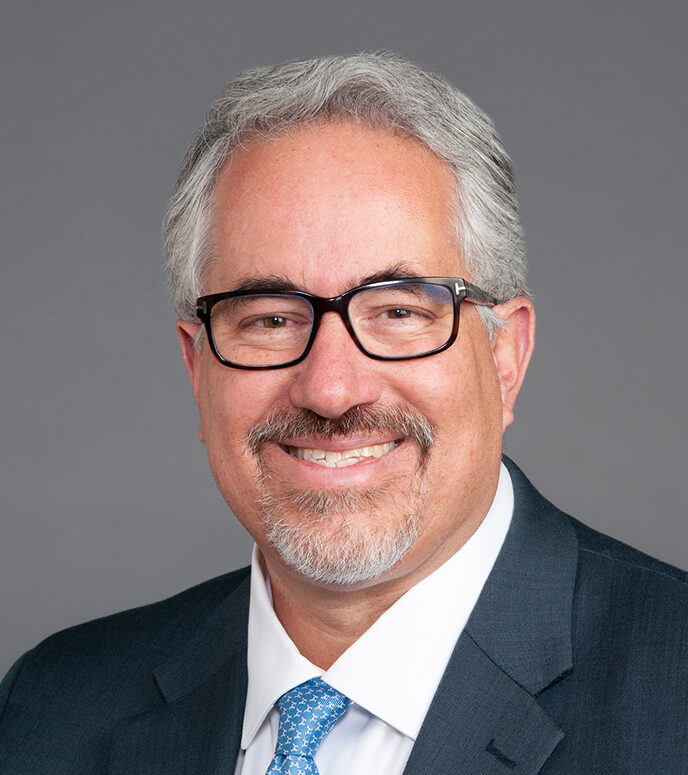
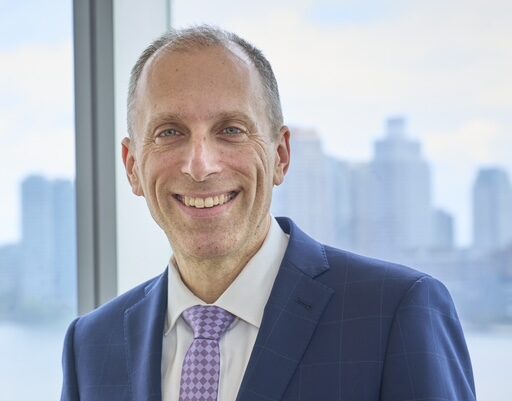
Erik Sulman, M.D., Ph.D. is Chair of the Department of Radiation Oncology and interim Executive Director of the Duke Cancer Institute. He is also a member of the Preston Robert Tish Brain Tumor Center at the Duke University School of Medicine. Previously, he was Professor and Vice-chair of Research in the Department of Radiation Oncology at the New York University (NYU) Grossman School of Medicine where he also served as the Assistant Dean for Physician Scientist. He was also the Co-director of the Brain and Spine Tumor Center as well as the PI of the K12 clinician scientist training program in the Laura and Isaac Perlmutter Cancer Center at NYU Langone Health. In addition, he was the Director of the Medical Scientist (MD/PhD) Training Program at NYU. Prior to joining NYU, he was the Chief of the CNS/Pediatric Radiation Oncology Section at the University of Texas MD Anderson Cancer Center, a member of the MD Anderson Brain Tumor Center Executive Committee, and director of the Biomarker Program in the Division of Radiation Oncology.
Dr. Sulman directs a research laboratory studying the biology of malignant brain tumors, including glioma stem cell biology, tumor microenvironment, and mechanisms of treatment resistance, particularly to ionizing radiation. In addition, his laboratory focuses on the development of novel molecular biomarkers of treatment response and identifying novel targets for therapy. He has received funding from the NCI, including multiple R01s and Brain SPORE, as well as multiple foundations, including the National Brain Tumor Society and the American Brain Tumor Association. He has co-authored more than 200 publications in several high-impact journals. In addition, he serves as the translational/correlative co-chair on some of the largest clinical trials for patients with brain tumors in both NRG Oncology and the Alliance for Clinical Trials in Oncology. He has served on the board of directors of the Society for Neuro-Oncology was the Scientific Co-Chair for the society’s annual meeting. Dr. Sulman has also served as the Section Editor for the Neuro-Oncology and Neurosurgical Oncology Section of the journal Frontiers in Oncology and is currently the Section Editor of Radiosurgery and Radiation Oncology for the journal Neurosurgery.
Nasreen Vohra, MD, FACS., FSSO is the Robert and Penny Barnhill Professor and Chief of the Division of Surgical Oncology in the Brody School of Medicine’s Department of Surgery. Dr. Vohra received her undergraduate degree from the University of Texas at Austin and medical degree from Baylor College of Medicine in Houston, Texas. She completed her residency in General Surgery and a two-year Tumor Immunology fellowship in Jim Mulé’s lab at the University of South Florida in Tampa followed by a fellowship in Surgical Oncology at the Moffitt Cancer Center in Tampa Florida.
In addition to being the division chief, Dr. Vohra an actively practicing surgical oncologist and a translational researcher. Since joining ECU, she has published over 50 peer review articles and 5 book chapters. She has achieved over $2.5 million in grant funding from the American Cancer Society, Department of Defense, National Cancer Institute, State of North Carolina and a host of local and regional granting agencies. In addition, this year she joined an elite group of faculty who have achieved the highest teaching honor awarded by the Department of Surgery, the Bernard Vick Teaching Award.
Dr. Vohra is an emerging leader on a national level within the specialty of surgical oncology serving as a member of the Health Disparities Committee of the Alliance for Clinical Trials in Oncology and the Immuno-Oncology Committee of the Alliance. She is an active member of the Society of Surgical Oncology having served the Melanoma and Gastrointestinal Working Groups. She is actively involved in clinical care of patients in eastern North Carolina and is a principal investigator or co-investigator on multiple clinical trials.
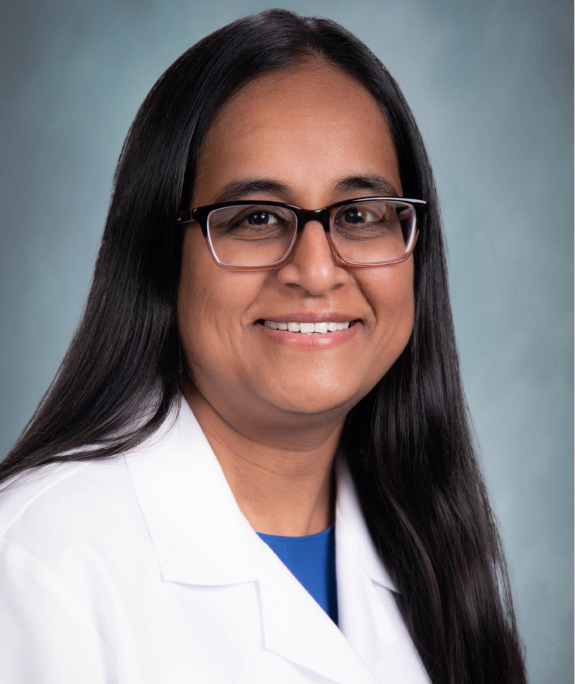
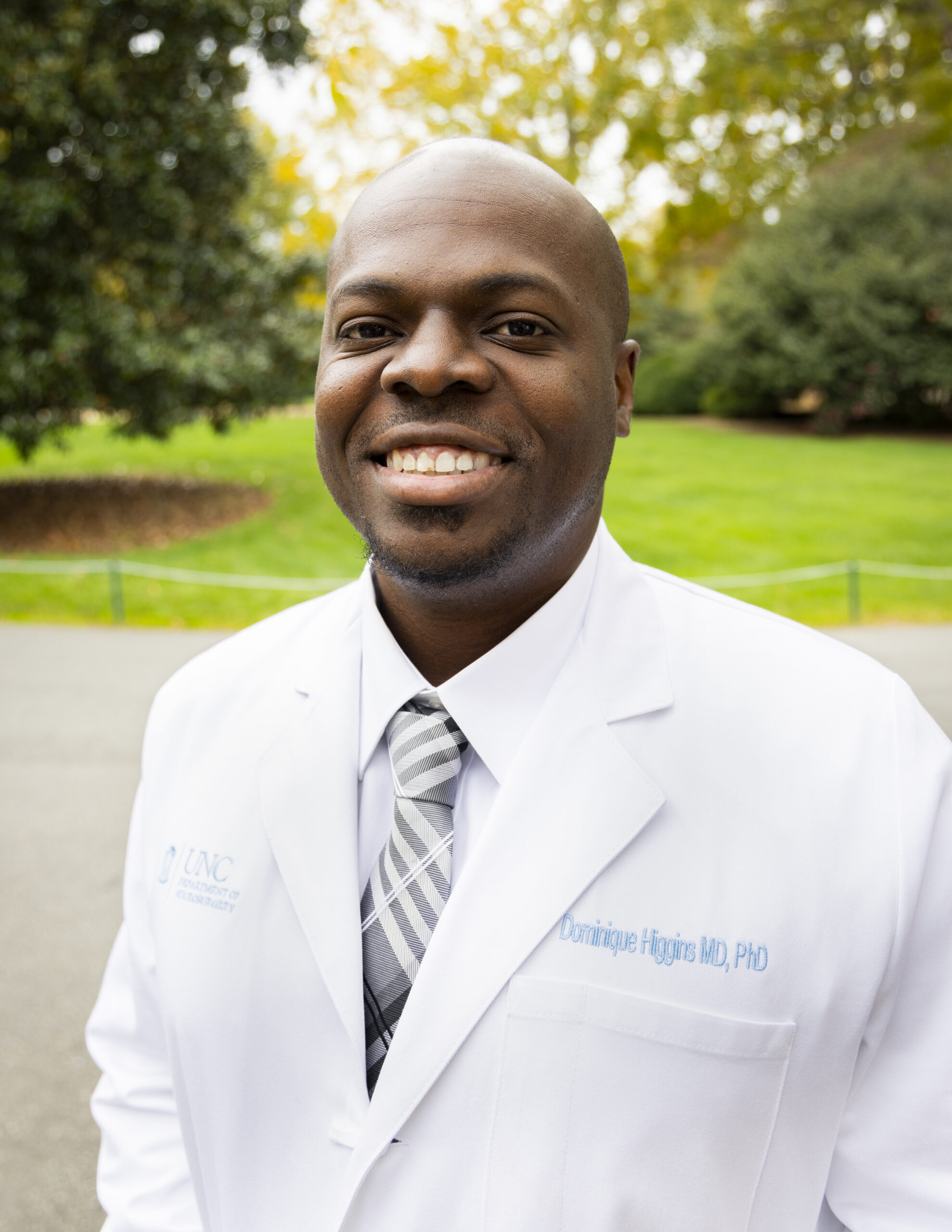
Dr. Dominique Higgins is an Assistant Professor of Neurosurgery and Director of Adult Neurosurgical Oncology who is dedicated to treating patients with brain tumors. He earned his MD/PhD from Mayo Clinic College of Medicine, where his passion for combining research and patient care took shape as he studied glioblastoma stem cells. He completed his neurosurgery residency at Columbia University’s Neurological Institute of New York, followed by a brain tumor fellowship at the University of Miami. There, he advanced his expertise in awake craniotomies, laser ablation, and minimally invasive surgical techniques—approaches that allow him to deliver precise, patient-centered care.
John Hickey is an Assistant Professor of Biomedical Engineering at Duke University whose lab creates next-generation spatial omics, imaging, biomaterials, and computational tools to map and engineer multicellular interactions in tissues. Hickey earned his PhD in Biomedical Engineering at Johns Hopkins and trained as a systems immunology postdoctoral fellow at Stanford. He has received major early-career honors, such as the NSF CAREER Award, V Foundation Scholar Award, HFSP Early Career Grant, and has been recently shortlisted for the oncology Takeda Innovator Award with Nature.
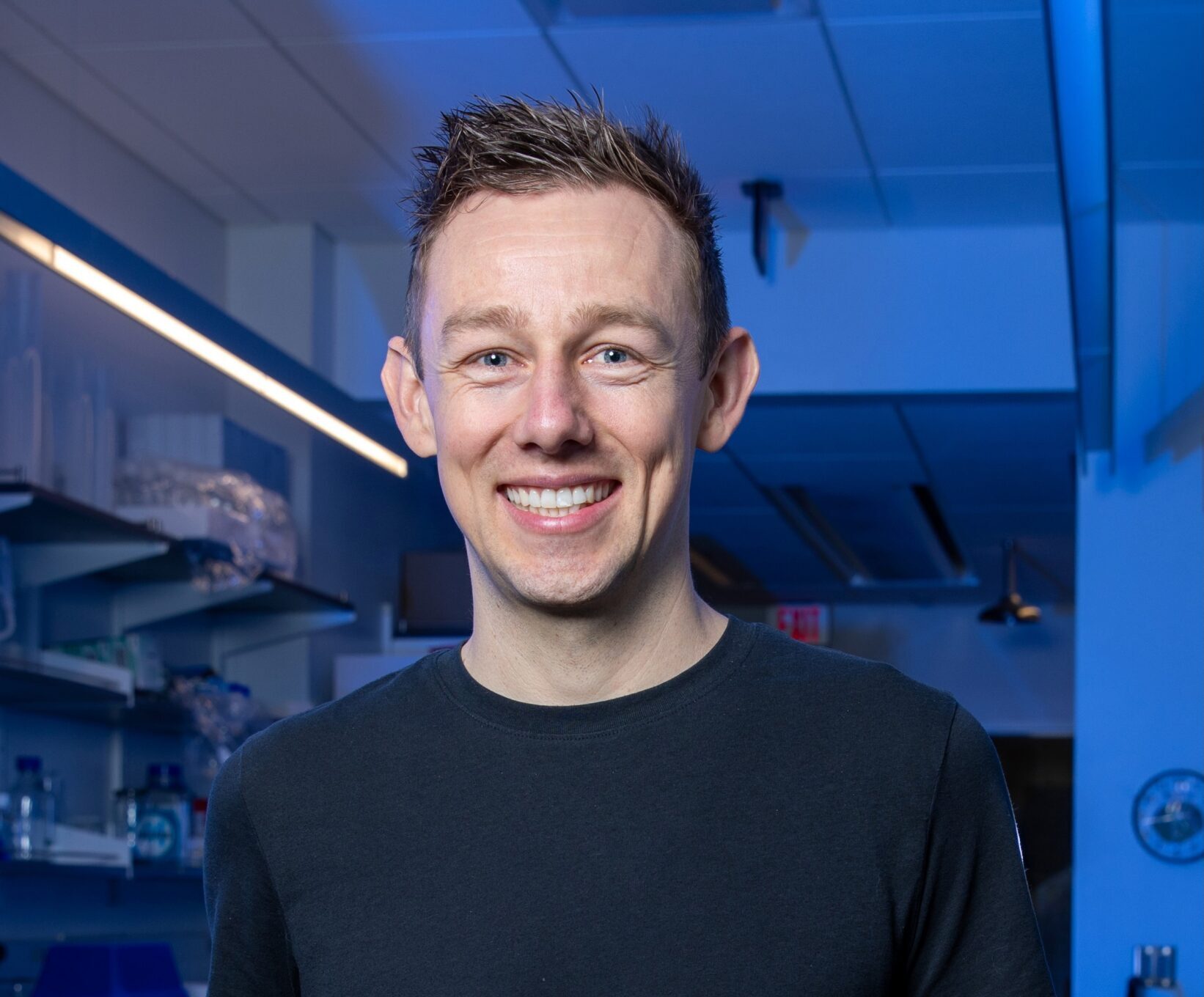
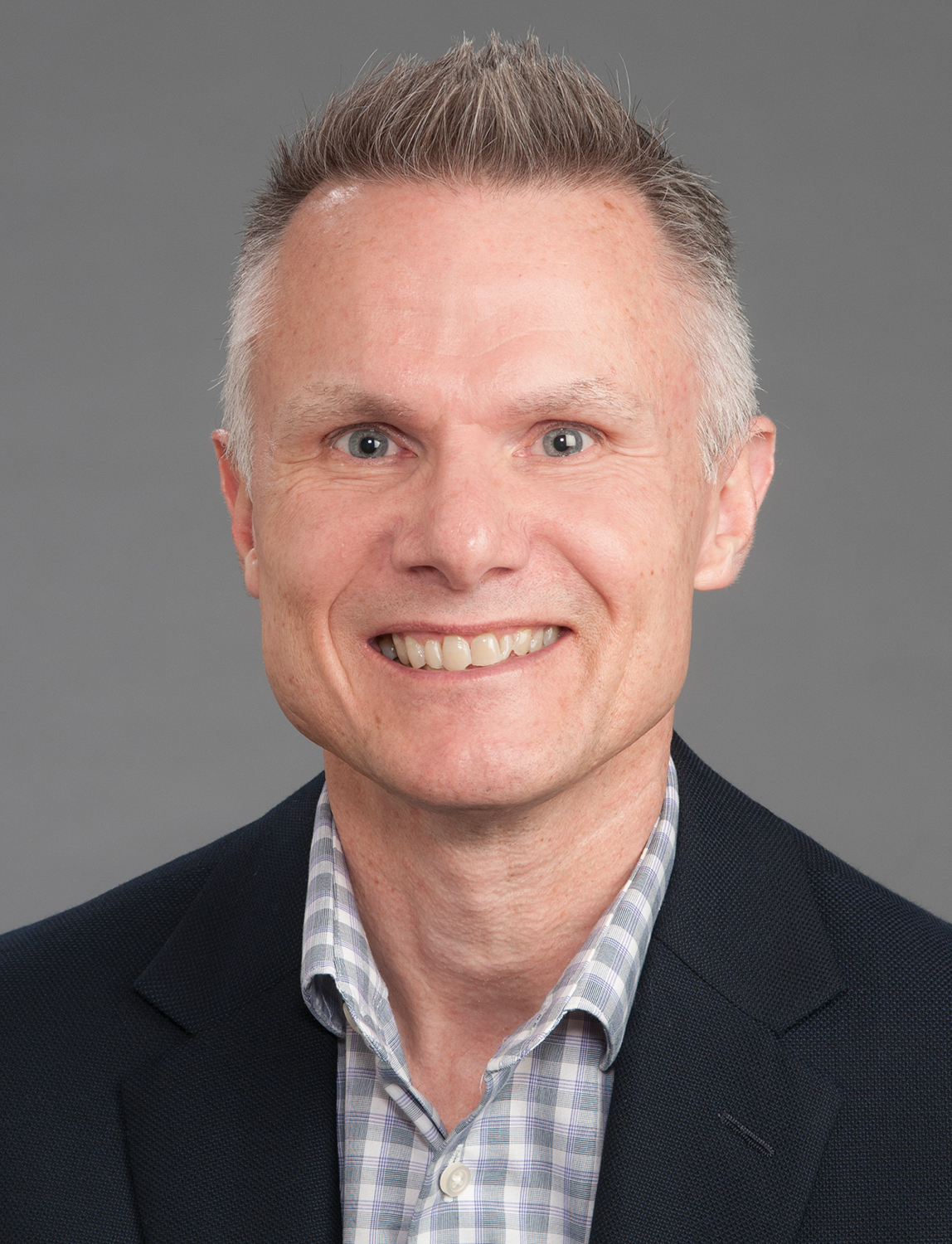
Dr. Steven Kridel is Chair of the Department of Cancer Biology at the Wake Forest University School of Medicine. He also serves as Assistant Director for Cancer Research Training and Education Coordination (CRTEC) for the Atrium Health Wake Forest Baptist Comprehensive Cancer Center. Dr. Kridel is highly engaged in trainee mentoring, education, and engagement and serves on the Board of Directors for the Cancer Biology Training Consortium (CABTRAC). His research focus is on fat and lipid metabolism in cancer, focusing on novel metabolic interactions, signaling, and therapeutic development targeting cancer lipid metabolism
Jon has spent over 25 years developing clinical evidence to improve patient care at the intersection of data science, chemistry, and medicine. He is an accomplished researcher with publications in journals including: Science, Nature Medicine, the New England Journal of Medicine, Lancet Oncology.
He is a biotechnology entrepreneur (Combion, Incyte Genomics, Metabolon, and Clinical Sensors), focusing on minimally disruptive technologies that rapidly deliver critical information about a patient’s health. These technologies can take many forms from wearables to passive environmental sensors to point of care devices.
Jon now serves as Executive Director of Project Data Sphere, a non-profit corporation that develops and supports global, big data collaborations in clinical oncology. Project Data Sphere’s portfolio includes transformative research programs in radiomics, digital pathology, real world evidence generation, pharmacovigilance, cellular therapies, and rare disease research.
Jon received his BS in Chemistry from Caltech, PhD in Inflammation Biology from The Scripps Research Institute, and postdoctoral training in Critical Care Medicine from Washington University School of Medicine. He has held faculty positions at both Washington University School of Medicine and the University of North Carolina at Chapel Hill.